PICT GUSx2:
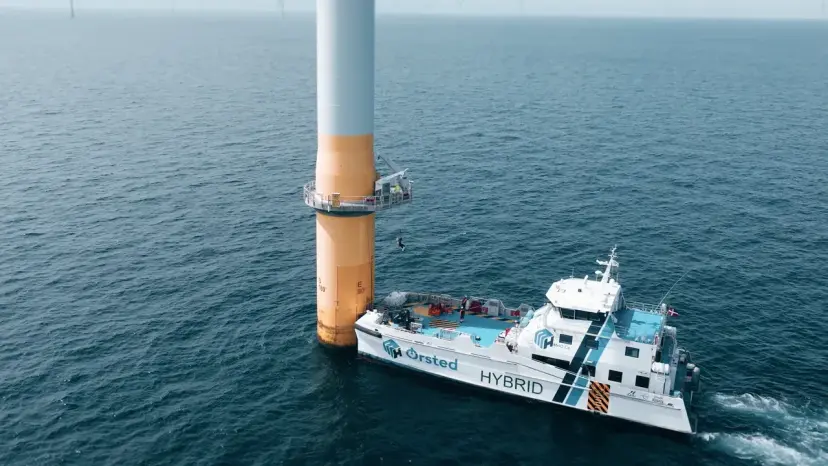
One integrated system for personnel and cargo transfer.
Built for harsh offshore environments, our proven Get Up Safe technology has been deployed at scale since 2022 with 20,000+ technician transfers and an exceptional safety record.
↓ scroll down ↓
Transforming offshore access.
Why GUSx2?
Every turbine needs safe, reliable access.
Traditionally, that means boat landings and ladders for personnel plus a dedicated platform davit crane for cargo, requiring additional steel, integration complexity, and operational risk.
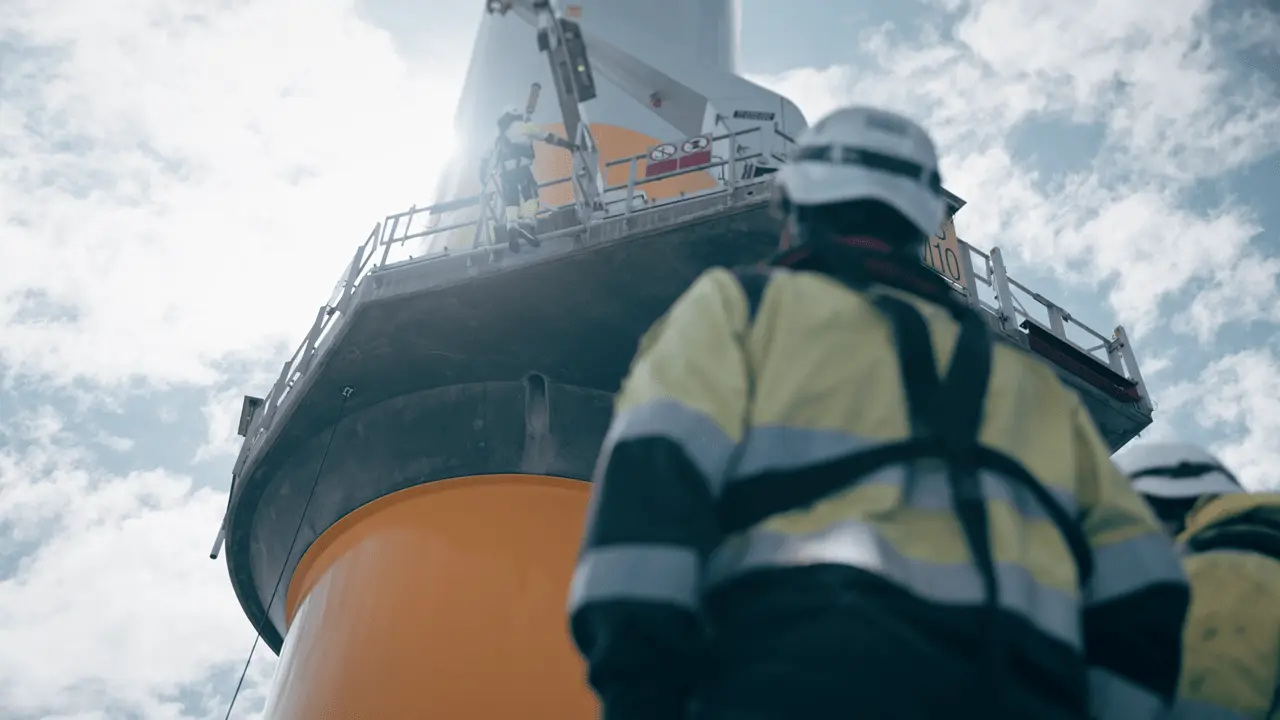
GUSx2 replaces both with one integrated system, simplifying the platform interface with safer transfers and significantly lowering capital and operational costs.
Features
Engineered for safety
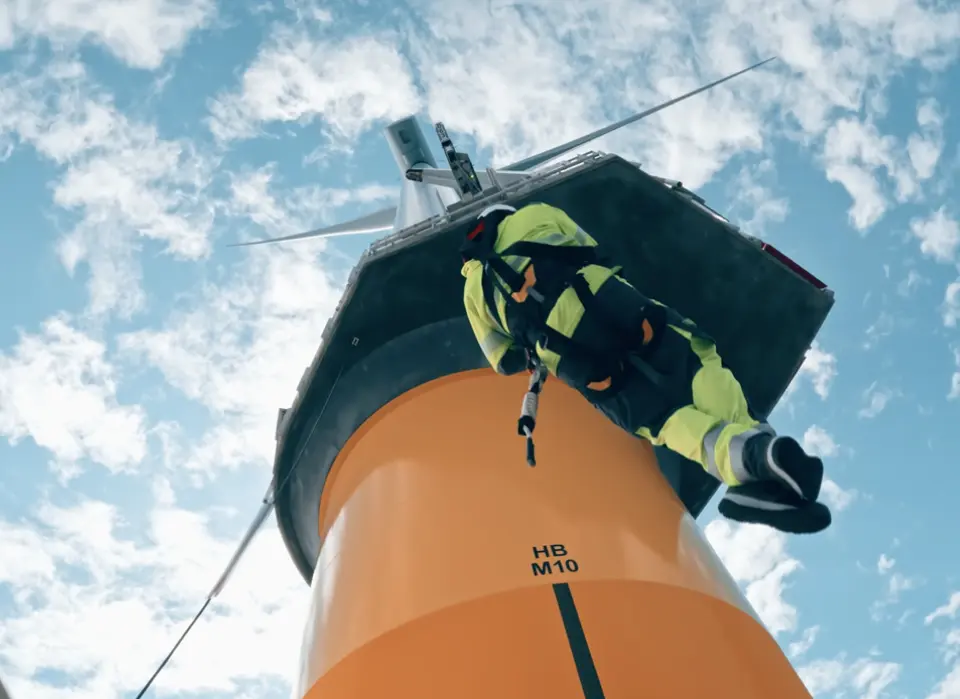
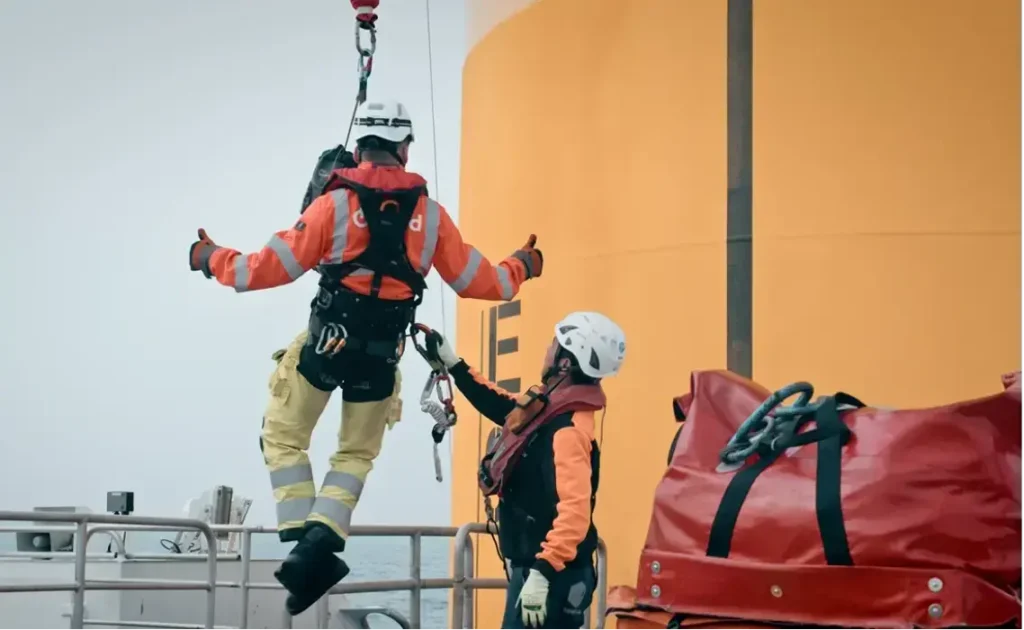
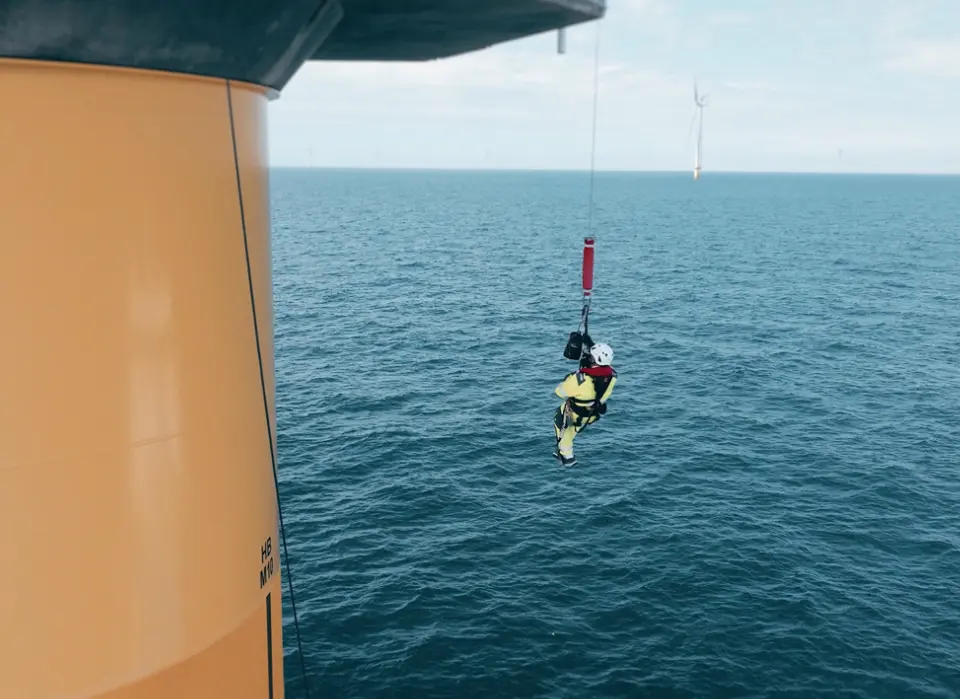
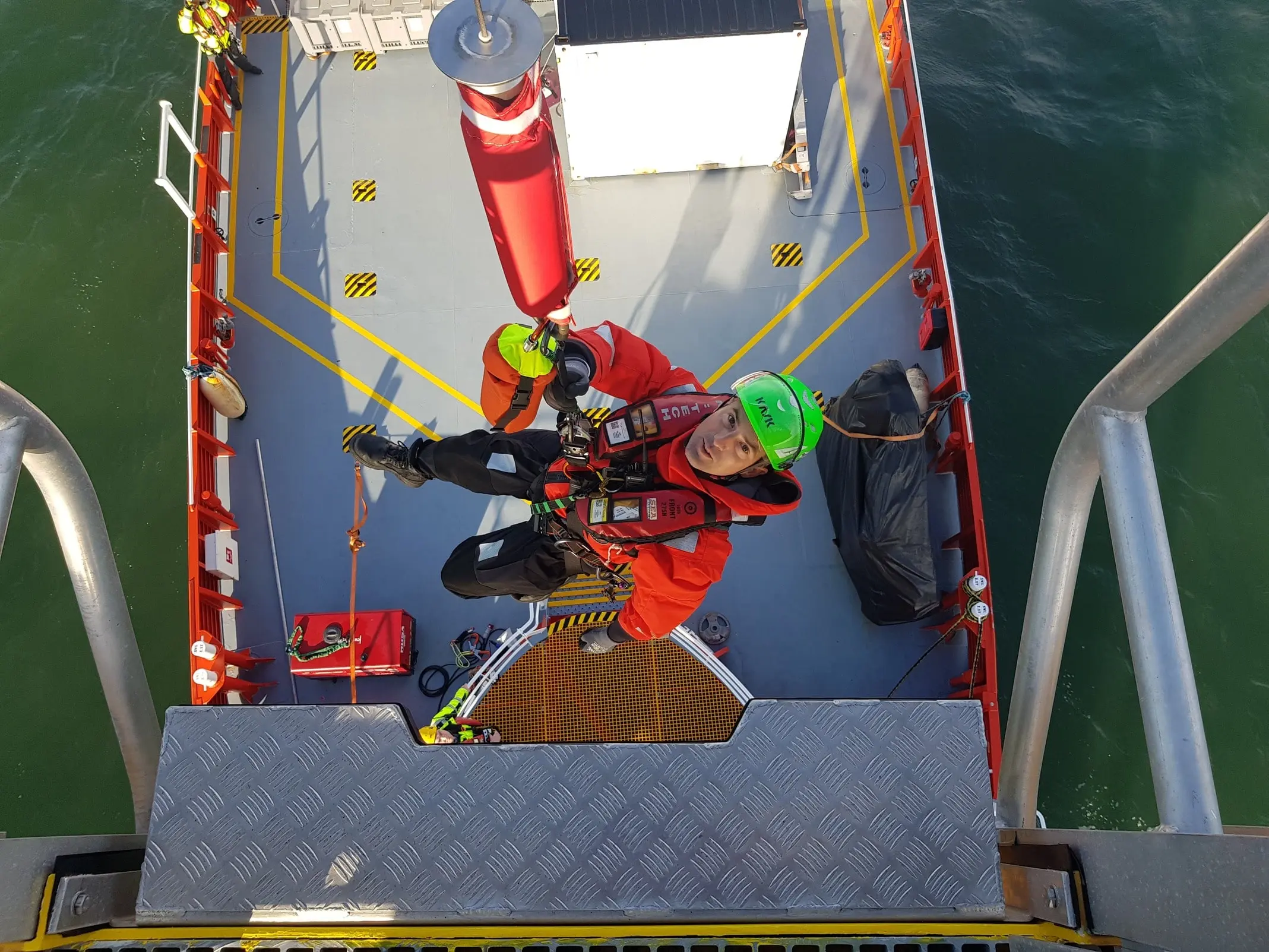
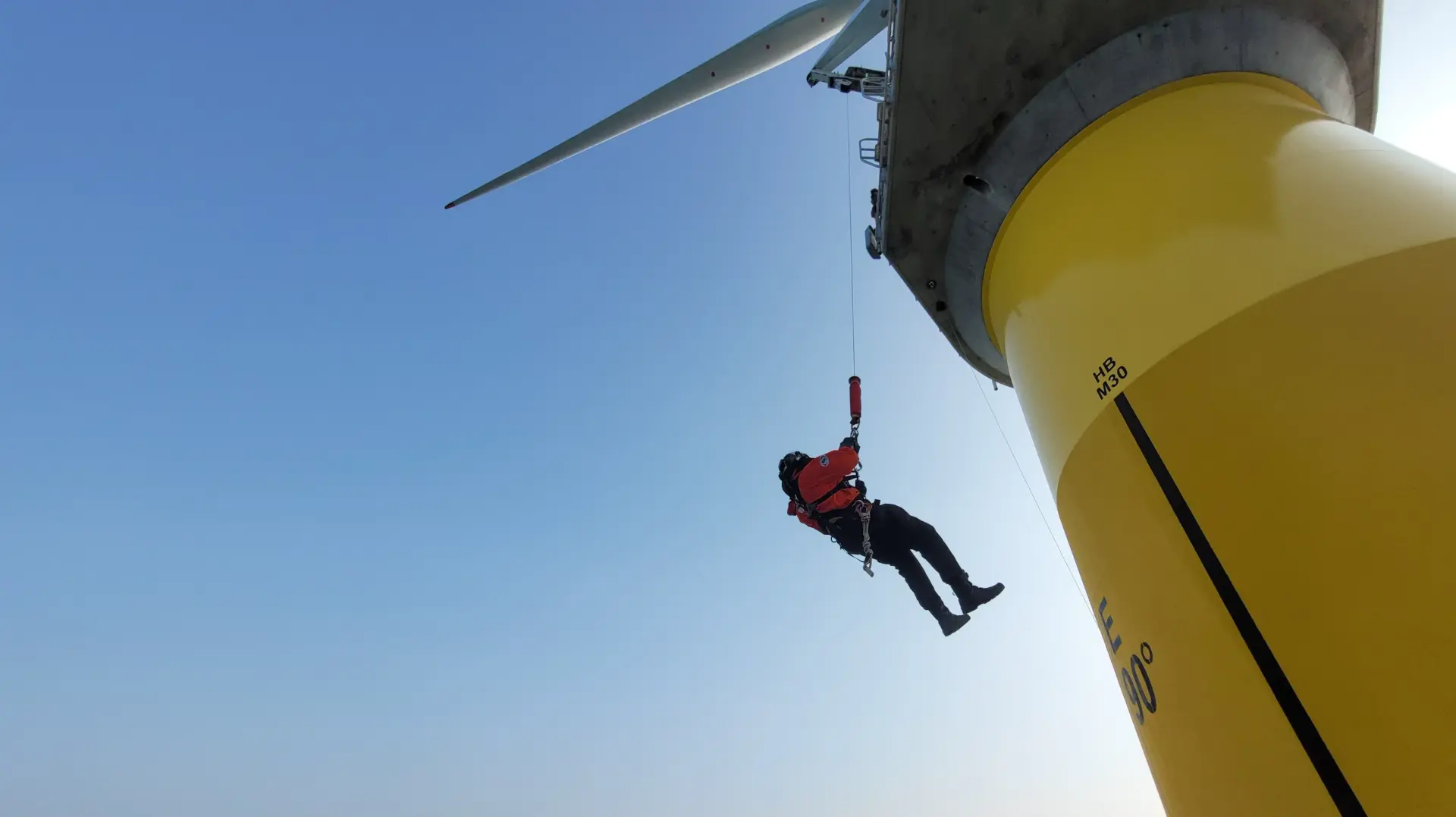
Personnel are transferred using GUSx2’s heave-compensated system, designed specifically for lifting people safely offshore. By actively tracking deck motion, the system compensates for vessel heave during transfer.
Personnel are lifted well back from the vessel–foundation interface, avoiding the step-across danger zone and reducing fatigue on arrival.
Proven technology
GUSx2 is built on PICT’s proven Get Up Safe technology, deployed offshore since 2022.
The system has supported over 20,000 successful personnel transfers, delivering consistent performance in real operating conditions. Its design is mature, field-tested and continuously monitored, providing operators with confidence in both reliability and long-term operational readiness.
Specifications
General Information | |
Model Name | GUSx2 : Personnel and Cargo Transfer System |
Crane Type | Electric. Fixed boom |
Service interval | Personnel: 12 months max Cargo: 12 months max |
Certification | Machinery Directive, 2006/42/EC Electromagnetic Compatibility (EMC) Directive 2014/30/EU EU Declaration of Conformity (CE marked) |
Supporting standards | EN 61000-6-2: 2005 Electromagnetic compatibility (EMC) – Part 6-2: Immunity for industrial environments EN 61000-6-4: 2007 Electromagnetic compatibility (EMC) – Part 6-4: Emission standard for industrial environments Low Voltage Directive 2014/35/EU Radio Equipment Directive 2014/53/EU EN 13852-3:2021 Light Offshore Cranes EN ISO 13849-1:2023 Safety of machinery – Safety-related parts of control systems – Part 1: General principles for design EN ISO 13849-2:2012 Safety of machinery – Safety-related parts of control systems – Part 2: Validation EN ISO 12100:2010 Safety of machinery – General principles for design – Risk assessment and risk reduction EN 60204-32:2008 Safety of machinery – Electrical equipment of machines – Part 32: Requirements for hoisting machines EN ISO 1461:2009 Hot dip galvanised coatings on fabricated iron and steel articles EN 1005-2:2003 Safety of machinery – Human physical performance – Part 2: Manual handling of machinery and component parts of machinery |
Technical Specifications | |
Working load limit | Personnel: 150kg Cargo: 3000kg (heavy lift mode) / 1000kg (normal mode) |
Lifting speed | Personnel: 0.5m/s normal speed but up to 2.12m/s in automatic heave compensation mode Cargo: Variable 30m/ min or 12m/ min |
Slewing type | Personnel: Fixed Cargo/ maintenance: Manual or electric |
Maximum hoisting height | 30m |
Wire rope | Cargo: Multi-layer – Galvanised steel – 10mm – MBL 64kN Personnel: Single-layer – Galvanised steel – 6mm – MBL 23.kN |
Ingress Protection | IP56 |
Boom end rescue point | Yes |
Boom end hook on point | Yes |
Control | Personnel: Wireless remote control from vessel Cargo: Cabled or wireless pendant at crane |